Quick Answers
Will I see turtles in the Whitsundays?
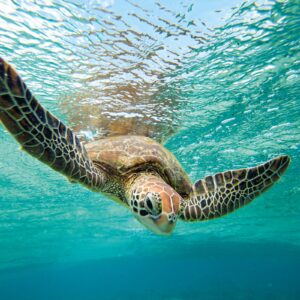
Sea turtles are one of the most common encounters. Look for them at Langford Island, Blue Pearl Bay and around Whitsunday Island.
When can I see whales?
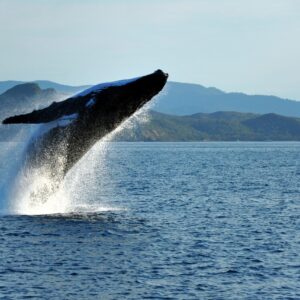
Humpback whales are a seasonal highlight in the Whitsundays.
Where are the best spots for reef fish?
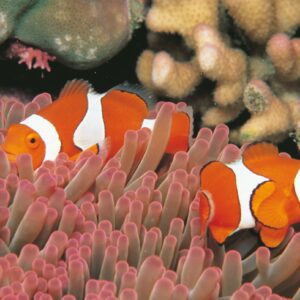
Hook Island, Hardy Reef and Border Island, with clownfish, parrotfish, angelfish and Maori wrasse.
Wildlife of the Whitsundays
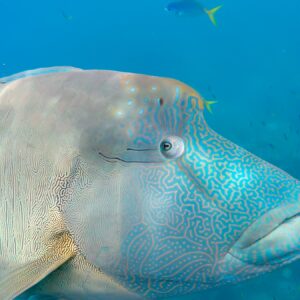
Wildlife of the Whitsundays for Wildlife Lovers
From sea turtles and colourful fish to soaring eagles and playful dolphins meet the incredible wildlife of the Whitsundays.
-
- Home to the Great Barrier Reef’s vibrant marine life
- Protected islands with thriving birdlife and coastal forests
- Calm bays perfect for spotting turtles, rays, and dolphins
- Seasonal highlights including humpback whales and manta rays
- Excellent snorkelling, sailing, and wildlife-watching conditions
- Opportunities for respectful, eco-friendly encounters
- A nature lover’s paradise with magic above and below the water
About the Whitsundays Wildlife
The Whitsundays is one of Australia’s richest wildlife regions a stunning blend of coral reefs, fringing island forests, seagrass meadows, and open ocean. This natural diversity creates a safe haven for marine animals, tropical fish, sea turtles, dolphins, rays, seabirds, and migrating whales. Whether you’re snorkelling, sailing, kayaking, or simply enjoying the islands from the beach, wildlife encounters are a beautiful part of every Whitsundays experience.
Marine Life of the Whitsundays
1. Sea Turtles (Green, Hawksbill & Loggerhead)
Where to See Them: Langford Island, Blue Pearl Bay, Whitsunday Island
Slow, graceful, and completely enchanting, sea turtles are one of the most common and magical wildlife encounters in the Whitsundays. You’ll often spot them surfacing beside boats or cruising over reef beds.
2. Colourful Tropical Fish
Where to See Them: Hook Island, Hardy Reef, Border Island
The reefs are home to hundreds of fish species, including clownfish, parrotfish, angelfish, butterflyfish, and friendly Maori wrasse. Snorkellers love the bright colours and bustling reef life.
3. Dolphins
Where to See Them: Airlie Beach, the Molle Group, Shute Harbour
Often spotted riding bow waves or cruising through calm bays, bottlenose and common dolphins are playful, curious, and a joy to watch while sailing.
4. Rays (Eagle Rays, Manta Rays and Stingrays)
Where to See Them: Hill Inlet shallows, Hardy Reef, Langford Island
Elegant and gentle, rays glide through shallow water and reef edges. Manta rays appear seasonally and are a rare and breathtaking treat.
5. Giant Clams and Reef Invertebrates
Where to See Them: Hardy Reef, Butterfly Bay
From giant clams in brilliant colours to sea cucumbers and bright nudibranchs, the reefs are full of fascinating small creatures loved by snorkellers and underwater photographers.
6. Humpback Whales (Seasonal)
Best Time: June to September
Where to See Them: Throughout the islands
Every winter, humpback whales migrate through the Whitsundays, breaching, tail-slapping, and nursing calves in the warm, protected waters.
Island Wildlife and Birdlife
1. White-Bellied Sea Eagles
Where to See Them: All islands, especially high cliffs & coastal edges
These powerful birds soar above the islands hunting fish. A common and breath taking sight.
2. Ospreys
Often perched on rocky outcrops or trees near the water, ospreys are skilled hunters and a favourite of birdwatchers.
3. Beach Stone-Curlews and Shorebirds
Found along quieter beaches and tidal flats, these shy birds blend beautifully into their island surroundings.
4. Wallabies and Agile Wallabies (Mainland)
Spotted around Airlie Beach and Conway National Park, especially early morning and dusk.
5. Goannas and Reptiles
Resident goannas roam beaches and island campsites (always keep food secured), and small lizards can be seen sunning themselves on rocks.
Where to See Wildlife in the Whitsundays
Best Snorkelling for Marine Life:
-
- Mantaray Bay (Hook Island)
- Butterfly Bay
- Blue Pearl Bay (Hayman Island)
- Cateran Bay (Border Island)
Best Sailing Wildlife Encounters:
-
- Dolphins at Shute Harbour
- Turtles around Langford Island
- Sea eagles soaring over Cid Harbour
The Best for Whale Watching:
-
- Anywhere among the islands during winter
- Best on sailing tours and sunset cruises
Best Kayaking Wildlife Encounters:
-
- Turtles in Cid Harbour
- Rays at Hill Inlet
- Birds along South Molle Island shorelines
Wildlife Watching Tips
-
- Keep a respectful distance let wildlife approach naturally
- Never touch turtles, rays, or coral
- Avoid chasing or blocking the path of animals
- Wear reef-safe sunscreen
- Keep food sealed at island campsites
- Bring a waterproof camera for magical underwater moments
FAQs — Whitsundays Wildlife
Is the wildlife easy to see?
When is the best time to see whales?
Are marine animals dangerous?
Which snorkelling bay has the most marine life?
Can you see wildlife from the beach?
Conclusion
From colourful coral gardens to playful dolphins, soaring sea eagles, and peaceful turtles gliding through turquoise water, the Whitsundays is a wildlife-lover’s dream. These islands are alive with nature, offering magical encounters above and below the water. Whether you’re snorkelling, sailing, kayaking, or simply relaxing on the beach, the wildlife of the Whitsundays brings every moment to life naturally beautiful, forever memorable.
Discover the Best Things to Do in the Whitsundays
Travel Kindly
At Hot Getaways, care is our compass — and a little kindness makes every journey better. When you visit the Whitsundays, we gently ask you to:
- Protect the reef — wear reef-safe sunscreen and never touch or stand on the coral.
- Respect the wildlife — admire the turtles, marine life and seabirds from a distance, and take your rubbish home with you.
- Support local — choosing local operators, cafés and guides helps this beautiful place thrive.
- Honour Country — we travel on the traditional lands and sea Country of Australia’s First Peoples, with gratitude and respect to the Traditional Custodians past and present.
- Be kind to each other — a smile, a little patience and a helping hand make the day lovelier for everyone.
Small acts of care add up to something wonderful. Thank you for travelling kindly.