Quick Answers
When is stinger season in the Whitsundays?
Usually during the warmer months, from about November to May. It varies with conditions each year, and the risk is much lower outside these months.
Which stingers are found here?
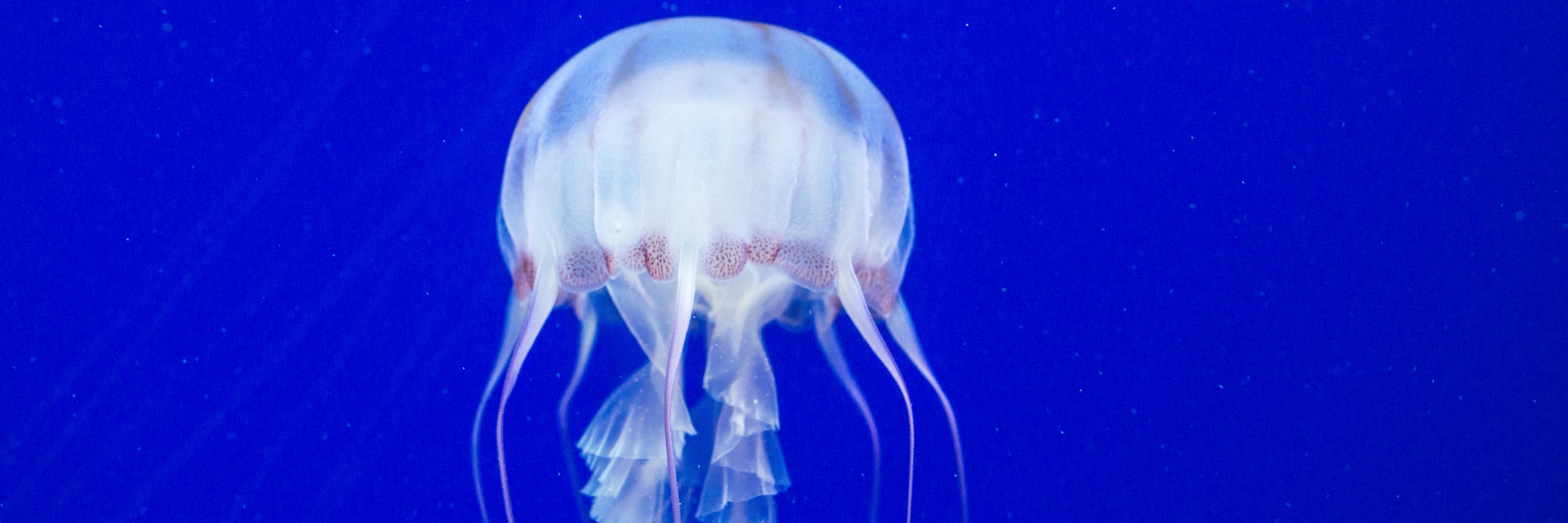
The best known are box jellyfish and Irukandji jellyfish. They are seasonal and not present all year.
How do I stay safe?
Wear a stinger suit when advised, follow local signs and your crew’s instructions, swim in recommended areas, and keep children close. Most tours include a stinger suit in season.
Marine Stingers and Seasonal Advice – Whitsundays
The Whitsundays is a beautiful tropical destination enjoyed safely by thousands of visitors every year. Like many warm-water regions, certain marine stingers can be present at particular times of the year. With the right knowledge and simple precautions, you can explore the reef and islands with confidence.
This guide explains what visitors need to know about marine stingers in the Whitsundays, when they are most likely to be present, and how to enjoy the water safely.
Understanding Marine Stingers in the Whitsundays
Marine stingers are small jellyfish found in tropical waters. In North Queensland, the most well-known are:
They are seasonal and not present year-round. Local conditions, water temperature, and weather patterns all influence when they may appear.
When Is Stinger Season in the Whitsundays?
Seasonal patterns
Marine stinger season in the Whitsundays generally occurs during the warmer months, typically from November to May. This can vary depending on conditions each year.
During this time:
- Local advice may recommend wearing stinger protection
- Beach signage and tour operator guidance becomes especially important
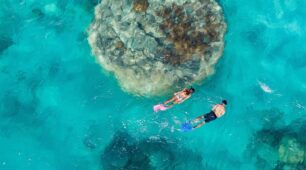
- Many visitors continue to snorkel and swim safely with simple precautions
Outside of these months, the risk is significantly lower.
How to Reduce Stinger Risk
Simple precautions that make a big difference
-
- Wear a stinger suit or lycra suit when advised
- Follow local signage and tour operator instructions
- Swim and snorkel in recommended areas
- Keep children close and supervised
- Avoid swimming alone
Stinger suits are lightweight, comfortable, and also provide excellent sun protection.
Reef Tours and Stinger Safety
Reef tour operators in the Whitsundays are experienced in local conditions and adjust procedures seasonally. Most provide:
-
- Clear safety briefings
- Stinger suits or advice on appropriate protection
- First aid equipment and trained crew
If you’re unsure, simply ask — crews are there to help you feel comfortable and informed.
What to Do If Someone Is Stung
While serious stings are rare, it’s important to treat them seriously.
General guidance
-
- Alert a crew member or lifeguard immediately
- Follow local first aid instructions
- Seek medical assistance if symptoms develop or worsen
- Call 000 for emergency assistance if required
Symptoms from some stings (including Irukandji) can be delayed, so medical advice should always be followed if there is any concern.
Marine Stinger Safety Tips
-
- Be aware of seasonal conditions when planning your visit.
- Follow local advice, signage, and tour operator guidance.
- Wear a stinger suit during warmer months when recommended.
- Supervise children closely in the water.
- Avoid swimming alone, especially in open water.
- Report any suspected stings immediately.
- Remember that thousands of visitors enjoy the Whitsundays safely every year with simple precautions.
FAQs – Marine Stingers Whitsundays
Are marine stingers common in the Whitsundays?
Do I need to wear a stinger suit in the Whitsundays?
Can I still snorkel during stinger season?
Are children safe in the water during stinger season?
Should marine stingers stop me from visiting the Whitsundays?
Enjoy the Whitsundays with Confidence
Marine stingers are a natural part of the tropical marine environment, but they don’t need to be a source of worry. With awareness, local advice, and simple precautions, you can relax and enjoy the extraordinary reef and island experiences the Whitsundays is known for..
Things to Do in the Whitsundays
Travel Kindly
At Hot Getaways, care is our compass — and a little kindness makes every journey better. When you visit the Whitsundays, we gently ask you to:
- Protect the reef — wear reef-safe sunscreen and never touch or stand on the coral.
- Respect the wildlife — admire the turtles, marine life and seabirds from a distance, and take your rubbish home with you.
- Support local — choosing local operators, cafés and guides helps this beautiful place thrive.
- Honour Country — we travel on the traditional lands and sea Country of Australia’s First Peoples, with gratitude and respect to the Traditional Custodians past and present.
- Be kind to each other — a smile, a little patience and a helping hand make the day lovelier for everyone.
Small acts of care add up to something wonderful. Thank you for travelling kindly.