Quick Answers
I am new to snorkelling. Which tour should I choose?
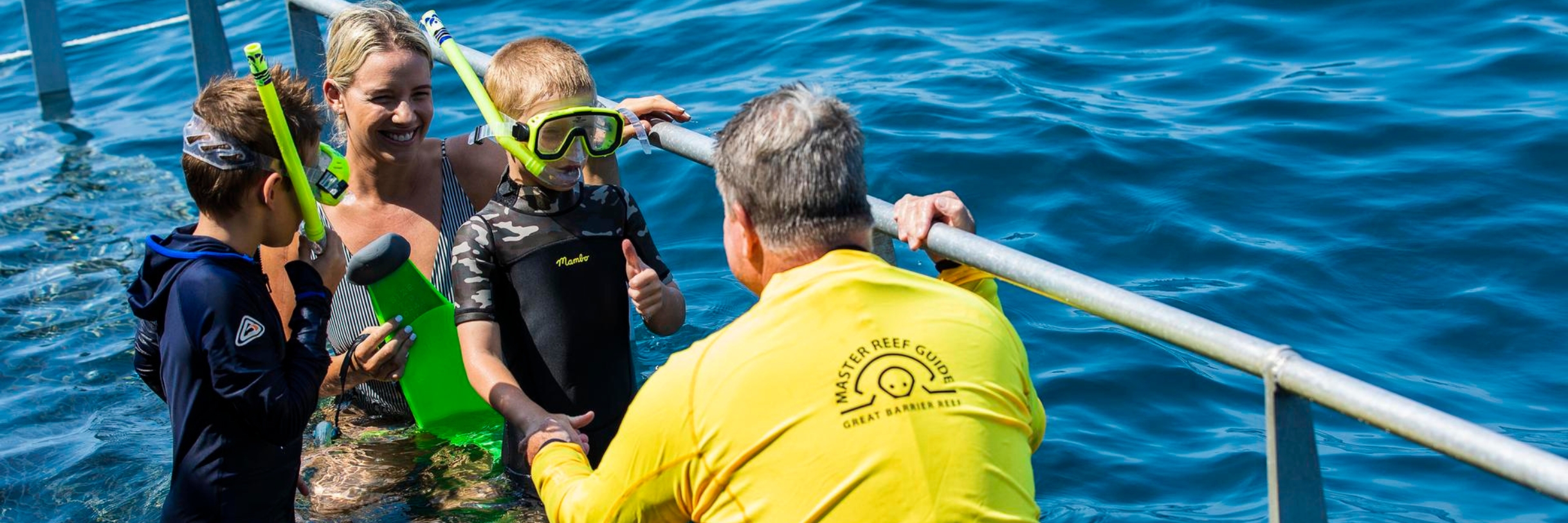
Look for a tour with a safety briefing, supervision, flotation such as a noodle or vest, and calm snorkel sites when conditions allow.
What should I tell the crew?
Let them know about asthma, heart conditions, recent illness, low swimming confidence, anxiety in open water, or any mobility concerns.
What if I feel anxious in the water?
Use flotation, keep your breathing slow and steady, and roll onto your back to float and rest.
Reef Safety Tips in the Whitsundays
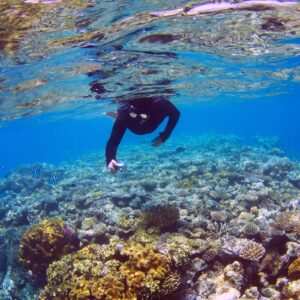
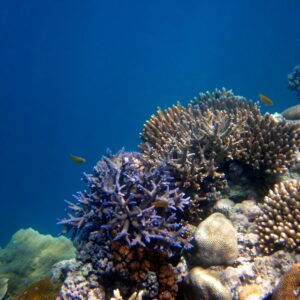
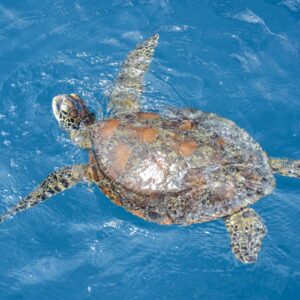
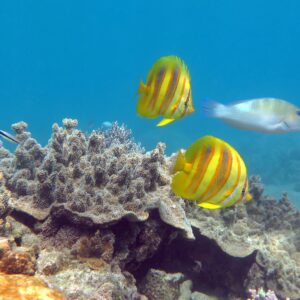
The Whitsundays is one of Australia’s most beautiful places to explore warm tropical water, coral reefs, island beaches and unforgettable marine life. With a few smart safety habits, you can relax and enjoy the reef with confidence while helping protect this special environment.
This guide shares practical, visitor-friendly reef safety tips for snorkelling, swimming, sailing and island days in the Whitsundays.
Reef Safety Tips in the Whitsunday
The Whitsundays is one of Australia’s most beautiful places to explore — warm tropical water, coral reefs, island beaches and unforgettable marine life. With a few smart safety habits, you can relax and enjoy the reef with confidence while helping protect this special environment.
This guide shares practical, visitor-friendly reef safety tips for snorkelling, swimming, sailing and island days in the Whitsundays.
Before You Get in the Water
Choose the right experience for your confidence level
If you’re new to snorkelling, choose a tour with:
-
- A safety briefing and supervision
- Flotation options (noodle/vest)
- Calm-water snorkel sites when conditions allow
Tell the crew what they need to know
Let staff know if you have:
-
- Asthma, heart conditions, recent illness, or low swimming confidence
- Anxiety in open water (very common and very manageable)
- Any mobility or balance concerns
A good crew will help you choose the safest way to enjoy the reef.
Snorkelling & Swimming Safety Tips
Use flotation — it’s smart, not “beginner”
A flotation vest or noodle helps you:
- Conserve energy
- Stay calm
- Float comfortably while you look down
Keep your breathing slow and steady
If you feel anxious:
-
- Roll onto your back
- Float and breathe
- Signal for help early (don’t push through panic)
Stay aware of your surroundings
Look up regularly to check where you are relative to:
-
- The boat / beach entry
- Other swimmers
- Any buoys or markers
Stinger Season in the Whitsundays
In tropical Queensland, marine stingers (including box jellyfish and Irukandji) are a known seasonal risk. Local advice may change based on conditions, so follow tour operator guidance and beach signage. Surf Life Saving Queensland notes dangerous tropical marine stingers include box jellyfish and Irukandji.
How to reduce stinger risk
-
- Wear a stinger suit/lycra suit when recommended
- Avoid loose clothing that can allow tentacles to contact skin
- Don’t swim alone; keep children close and supervised
- Swim in designated areas where applicable
If you think someone has been stung
Queensland Government guidance includes: call 000 for an ambulance, pour vinegar on the sting while waiting, and provide CPR if required; Irukandji symptoms may take 20–40 minutes to develop, so seek medical help if in doubt.
Healthdirect also advises vinegar for stings in tropical areas and to seek medical care.
Important: First aid can vary by species and location when uncertain, treat it seriously and get help immediately.
Sun, Heat & Hydration (The Most Common Problems)
Many visitors underestimate the tropical sun and heat, especially on boats where reflection increases exposure.
Simple prevention that makes your day better
-
- Reapply reef-safe sunscreen regularly
- Wear a long-sleeve rashie or stinger suit (also helps sun protection)
- Drink water steadily; don’t wait until you feel thirsty
- Eat something light between snorkels (energy supports safe swimming)
Protecting the Reef While You Explore
The best reef visitors are gentle reef visitors:
-
- Don’t stand on coral (even “dead” coral can be living structure)
- Don’t chase turtles, rays or reef fish
- Secure your gear so it doesn’t drag (fins, cameras, straps)
- Use reef-safe sunscreen where possible and follow operator advice
These habits protect the reef and also reduce the chance of cuts, stings and accidents.
Reef Safety Visitor Checklist
- Listen to the safety briefing and ask questions before entering the water.
- Use flotation if you’re not a confident swimmer it improves safety and comfort.
- Snorkel with a buddy and keep kids within arm’s reach.
- Wear sun protection and hydrate throughout the day.
- In warmer months, wear a stinger suit when advised and take signage seriously.
Surf Life Saving Queensland - Keep a respectful distance from marine life — look, don’t touch.
- If a serious sting is suspected: call 000, apply vinegar as advised locally, and seek medical help (Irukandji symptoms can be delayed)
FAQs – Reef Safety Tips Whitsundays
Is it safe to snorkel in the Whitsundays?
Do I need to wear a stinger suit in the Whitsundays?
What should I do if I’m stung by a jellyfish?
Can kids snorkel safely on reef tours?
What’s the number one safety tip for first-time snorkellers?
Conclusion – Enjoy the Whitsundays with Confidence
The Whitsundays rewards calm, prepared travellers. When you follow crew advice, protect yourself from sun and stingers, and treat the reef gently, you’ll feel confident in the water and help keep this extraordinary place thriving for everyone.
Places to Explore in the Whitsundays




Travel Kindly
At Hot Getaways, care is our compass — and a little kindness makes every journey better. When you visit the Whitsundays, we gently ask you to:
- Protect the reef — wear reef-safe sunscreen and never touch or stand on the coral.
- Respect the wildlife — admire the turtles, marine life and seabirds from a distance, and take your rubbish home with you.
- Support local — choosing local operators, cafés and guides helps this beautiful place thrive.
- Honour Country — we travel on the traditional lands and sea Country of Australia’s First Peoples, with gratitude and respect to the Traditional Custodians past and present.
- Be kind to each other — a smile, a little patience and a helping hand make the day lovelier for everyone.
Small acts of care add up to something wonderful. Thank you for travelling kindly.