
Best time to Visit the Whitsundays
Posted by VisitWhitsundayIslands.com.au on the 5th November 2025.
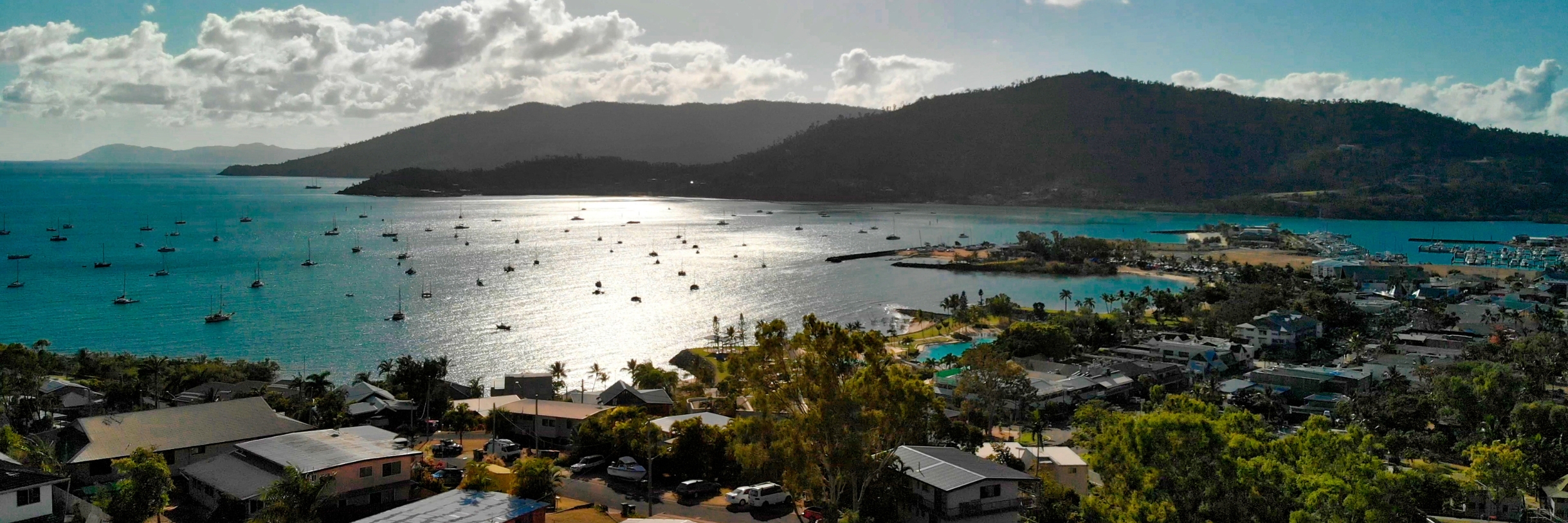
Oh, the moment I crested the hill at Cannonvale and gazed down over the shimmering turquoise waters leading into the village of Airlie Beach well, there was no turning back. The Whitsundays made me promise to return. And you, dear reader, are about to discover exactly when this slice of paradise best delivers.
Spring Magic: September – November
- This is the golden window. The weather, the water, the mood—they all align beautifully.
- Daytime temps drift around 23-27 °C (73-80 °F) warm enough for a dip, gentle enough to wander.
- Rainfall is low. Humidity? Much reduced. The skies are clearer, the air crisper.
- Calm waters, perfect for snorkelling and diving. Visibility is excellent.
- Trade winds are gentle ideal for sailing, or simply drifting in the current on a catamaran.
- And here’s something: the dreaded marine stinger season is starting to wind down. That means simpler swims, fewer worries.
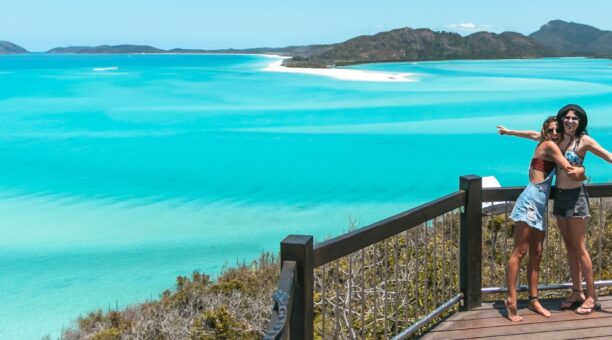
So if you’re envisioning pristine beaches, softly lapping waves, that “how-is-this-real?” turquoise hue and you want it without the heavy traffic or stifling humidity spring is your time.
Winter Window: May – August
Still a fine option. If you’re okay with slightly cooler (but very comfortable) conditions, winter brings its own charms.
- Daytime temps in the region dive into the 20-25 °C (68-77 °F) range—pleasant, not too hot.
Rain is minimal. Humidity lower. That classic crisp, clear tropical day. - Sailing folks love this period: steady winds, good seas.
- And for nature-lovers: it’s whale-watching season! Between June and September the majestic humpbacks make their way through the region.
- One bonus: fewer crowds, and you’ll often find better accommodation deals than the spring high.
Times to be cautious: December – March
Yes, the Whitsundays are still fabulous, but this period comes with trade-offs.
- It’s Australia’s wet season here: heavier rainfall, higher humidity, and sometimes rougher seas.
- Marine stingers (including the notoriously unfriendly box and Irukandji jellyfish) are more prevalent. If swimming without a stinger-suit, this needs consideration.
- The heat is strong, the atmosphere thick and while many love this tropical full-throttle version, it may not fit if you want easy-going comfort.
- Also: school holidays hit peak travel. So expect higher prices and busier tours.
Key Tips for Planning
- Book early if you’re going spring (Sept–Nov). It’s the sweet spot and popular for good reason.
- If you’re visiting Nov–May, ask about swimming areas with stinger-nets or get a stinger suit for comfort and safety.
- Check the weather and sea-conditions before heading out for snorkelling, diving or sailing. Even in good seasons, local variations matter.
- Think about the kind of trip you want:
-
- Want calm seas, gentle breeze, perfect snorkel vision? Go spring.
- Prefer slightly cooler temps, sailing conditions, whale sightings, fewer tourists? Choose winter.
- Don’t mind wetter weather or peak heat and want island-resort vibes? Then summer can still be magical just plan accordingly.
Final Word on the Best Time to Visit the Whitsundays
The Whitsundays remain breathtaking year-round, but if you ask me, the moment I felt my heart lift over that Cannonvale hill and into the heart of Airlie Beach—it was a spring day. So if you can swing it, aim for September to November. That’s when the weather, the waters and the wonder all line up just right.
And when you make that trip: breathe deeply, let the turquoise waters do their thing, and relish the beauty of one of Australia’s most dazzling coastal destinations.





0 Comment on "When is the best time to visit the Whitsunday Islands?"
There are no comments yet
Add a comment